

Publish Date: March 2, 2026
Author: Seubert
Tags: Blog - SeubertU
This year, U.S. News & World Report (U.S. News) replaced its long-running Best Diets annual rankings with a Top Health and Nutrition Trends report. The findings are based on survey responses from a panel of 58 experts, including doctors, dietitians, and health researchers. The experts were asked which emerging health trends would have the greatest impact in 2026. Here are their top predictions:
- Expanded use of glucagon-like peptide-1 (GLP-1) drugs—About 1 in 5 adults have used GLP-1 medications, and usage rates are rising as costs decrease and pill versions of these formerly injectable drugs become available. GLP-1’s popularity will grow as its use expands beyond obesity and Type 2 diabetes to address other conditions.
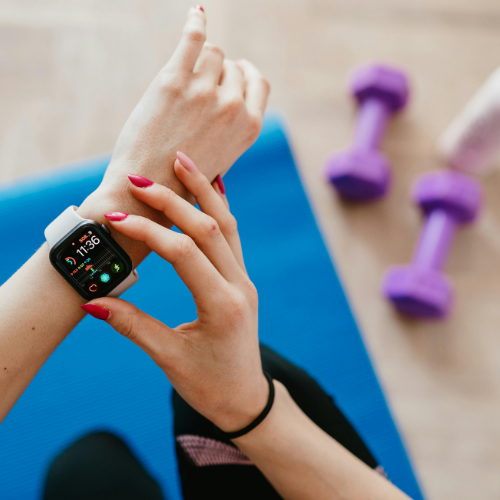
- Integration of artificial intelligence (AI)and wearable technology—Wearable tech can reveal simple health information, and can provide real-time information and personalized recommendations when paired with AI. Many people are opting for smartwatches and smart rings that track metrics, such as physical activity, sleep, and food.
- Greater use of “food as medicine”—While this concept isn’t necessarily new, it does recognize that the foods consumed directly impact health. Experts predict a return to the basics of whole, nutritious food this year.
While plant-based food, sustainable sources, and meat alternatives used to dominate the U.S. News’s diet rankings, those trends landed at the bottom of this new health report. Today’s reality is that more people are focusing on ways to incorporate animal products they consider sustainable and ethical.
Consult your doctor for more information about these health trends or for guidance in setting your own health goals for the year.
Contact us to see how you could minimize risk:
- Employee Benefits|
- Well-Being|
Recent News
U.S. News & World Report Reveals Top 2026 Health Trends
This year, U.S. News & World Report replaced its long-running Best Diets annual rankings with a Top Health and Nutrition Trends report.
Fatigue Risks in Cold Conditions
Cold weather does more than make working conditions uncomfortable; it can also lead to fatigue and reduced alertness and responsiveness in employees, increasing the risk of injury.
4 Components of Cyber Risk Management
If your company stores information digitally, it’s important to develop a cyber risk management program that will help minimize the likelihood of a data breach and reduce potential losses if a breach does occur.
A Turning Point in the Pharmacy Landscape: What Employer Plan Sponsors Need to Know
Learn how the FTC–Express Scripts settlement and CAA 2026 PBM reform are transforming pharmacy benefits, increasing transparency, and raising fiduciary responsibilities for employer plan sponsors.
Understanding Crime Prevention Through Environmental Design
While many organizations rely on traditional security measures, crime prevention through environmental design offers a proactive approach to reducing risk to discourage criminal behavior and promote positive interactions.
Construction Trends to Watch Heading Into 2026
From inflation and labor shortages to regulatory shifts and tough insurance markets, Seubert delivers construction‑specific risk management strategies that keep projects protected and on track in 2026.