

Publish Date: February 4, 2026
Author: Seubert
Tags: Blog - SeubertU
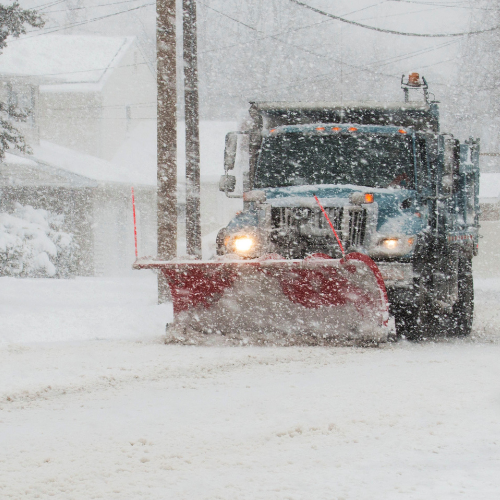
Winter weather poses serious challenges for fleets as snow and ice accumulate on straight trucks, trailers, intermodal containers, and buses. This buildup raises roadway hazards, liability exposure, and worker-safety risks. Preventive controls can help reduce crashes, injuries, and claims.
Winter Exposure and Roadway Hazards
Snow and ice can quickly accumulate on vehicle roofs during storms or overnight at terminals, then dislodge without warning once a truck is in motion. Blowing snow can reduce visibility for drivers, while falling ice may damage vehicles or seriously injure other road users. These hazards make winter roads more dangerous and increase the likelihood of preventable crashes.
The National Highway Traffic Safety Administration reports that poor weather already contributes to thousands of collisions each year, and unsecured snow or ice only heightens those risks.
Why Employers Must Act
From a risk-management standpoint, snow and ice removal is not optional; it is part of demonstrating reasonable care. Failure to implement proper controls may result in:
- Third-party liability if dislodged snow or ice causes an injury or collision
- Costly litigation for negligence or lack of documented safety procedures
- Higher claim severity, especially when insurers find that preventive measures were absent
- Workers’ compensation exposure if employees are injured during unsafe removal attempts
Unsafe Practices to Avoid
Drivers should never climb onto a vehicle’s roof to remove snow or ice. Height, wind, cold surfaces, and unstable footing create a high fall-risk environment. OSHA’s winter safety guidance emphasizes avoiding elevated, icy surfaces whenever possible. Falls from height remain one of the most frequent and severe workplace injuries.
Approved Controls for Safe Removal
Effective winter safety policies hinge on providing drivers with safe, ground-level tools and systems. The options below reduce exposure and support consistent removal practices.
Fixed Removal Systems
Fixed snow-removal structures at terminals or distribution centers let drivers clear buildup without leaving ground level. Trucks pass under the adjustable device, which lowers onto the roof, and pulling forward removes snow and ice efficiently. These systems reduce fall risks and support consistent winter procedures.
Portable Ground-level Tools
When fixed systems aren’t available, lightweight roof rakes provide a safe, practical alternative. Drivers can clear buildup from the ground, even while on the road, if conditions change. These portable tools enhance flexibility without sacrificing safety.
Employer Oversight and Training
Fleet managers can strengthen winter safety by:
- Requiring snow and ice removal before dispatch
- Providing access to approved systems and ground-level tools
- Training drivers to use only employer-approved, non-elevated methods
- Documenting procedures as part of winter driving policies
Contact us to see how you could minimize risk:
- Cyber|
Recent News
Removing Ice and Snow Buildup on Trucks Safely
Winter weather poses serious challenges for fleets as snow and ice accumulate on straight trucks, trailers, intermodal containers, and buses.
Surety Trends to Watch Heading Into 2026
This article outlines five surety market trends contractors should watch in 2026, with insights on underwriting, bonding capacity, claims risk, and strategic planning.
Federal EEO Trends to Watch in 2026
In 2025, there were significant shifts in priorities regarding the enforcement of employment discrimination and harassment laws under both the current presidential administration and federal agencies responsible for enforcing federal EEO laws, such as the U.S. EEOC.
Helping Employees Understand Rising Health Care Costs
As health care costs in the United States continue to climb, organizations that offer health benefits are challenged with managing escalating expenses while maintaining transparency and trust with their workforce.
Preventing Winter Slips, Trips and Falls
Slips, trips, and falls are among the most common injuries in the trucking industry, and winter weather makes them even more likely.
Best Practices for Developing a Climate Action Plan
As climate-related risks grow, more businesses are taking proactive steps to reduce their carbon footprint and strengthen resilience.