

Publish Date: February 4, 2026
Author: Seubert
Tags: Blog - SeubertU
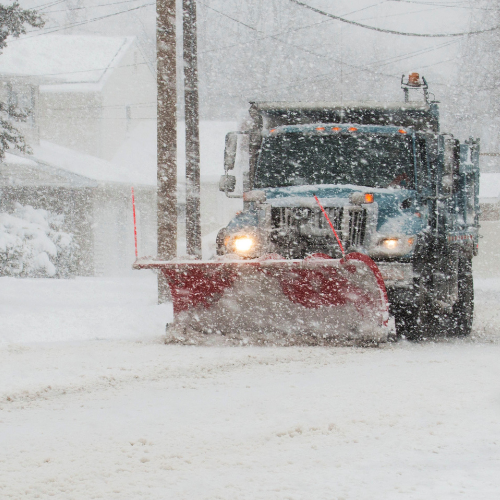
Winter weather poses serious challenges for fleets as snow and ice accumulate on straight trucks, trailers, intermodal containers, and buses. This buildup raises roadway hazards, liability exposure, and worker-safety risks. Preventive controls can help reduce crashes, injuries, and claims.
Winter Exposure and Roadway Hazards
Snow and ice can quickly accumulate on vehicle roofs during storms or overnight at terminals, then dislodge without warning once a truck is in motion. Blowing snow can reduce visibility for drivers, while falling ice may damage vehicles or seriously injure other road users. These hazards make winter roads more dangerous and increase the likelihood of preventable crashes.
The National Highway Traffic Safety Administration reports that poor weather already contributes to thousands of collisions each year, and unsecured snow or ice only heightens those risks.
Why Employers Must Act
From a risk-management standpoint, snow and ice removal is not optional; it is part of demonstrating reasonable care. Failure to implement proper controls may result in:
- Third-party liability if dislodged snow or ice causes an injury or collision
- Costly litigation for negligence or lack of documented safety procedures
- Higher claim severity, especially when insurers find that preventive measures were absent
- Workers’ compensation exposure if employees are injured during unsafe removal attempts
Unsafe Practices to Avoid
Drivers should never climb onto a vehicle’s roof to remove snow or ice. Height, wind, cold surfaces, and unstable footing create a high fall-risk environment. OSHA’s winter safety guidance emphasizes avoiding elevated, icy surfaces whenever possible. Falls from height remain one of the most frequent and severe workplace injuries.
Approved Controls for Safe Removal
Effective winter safety policies hinge on providing drivers with safe, ground-level tools and systems. The options below reduce exposure and support consistent removal practices.
Fixed Removal Systems
Fixed snow-removal structures at terminals or distribution centers let drivers clear buildup without leaving ground level. Trucks pass under the adjustable device, which lowers onto the roof, and pulling forward removes snow and ice efficiently. These systems reduce fall risks and support consistent winter procedures.
Portable Ground-level Tools
When fixed systems aren’t available, lightweight roof rakes provide a safe, practical alternative. Drivers can clear buildup from the ground, even while on the road, if conditions change. These portable tools enhance flexibility without sacrificing safety.
Employer Oversight and Training
Fleet managers can strengthen winter safety by:
- Requiring snow and ice removal before dispatch
- Providing access to approved systems and ground-level tools
- Training drivers to use only employer-approved, non-elevated methods
- Documenting procedures as part of winter driving policies
Contact us to see how you could minimize risk:
- Cyber|
Recent News
How Commercial Insurance Applications Affect Your Coverage
When businesses purchase commercial insurance, they often focus on limits, deductibles and policy terms. Yet the insurance application is equally important. It is a legal document insurers use to evaluate risk, determine eligibility and establish coverage terms and pricing.
Seubert Celebrates 10 Years on Pittsburgh’s North Shore
Seubert & Associates celebrates 10 years at its Pittsburgh North Shore headquarters with a look at its growth and newly renovated office.
Employee Spotlight: Mariah Gigler
Please join us in welcoming Mariah Gigler to the Seubert Team!
DOL Proposes to Expand Electronic Delivery Options for Group Health Plans
On July 23, 2026, the U.S. DOL issued a proposed rule that would establish a new, additional safe harbor for group health plan administrators to use electronic media to furnish plan disclosures required under the ERISA.
Employee Spotlight: Delany Graff
Please join us in welcoming Delany Graff to Seubert’s Admin Department as an Accounting Clerk!
Compliance Update: Federal Agencies Issue FAQs Addressing Key Issues in Health Plan Tobacco Surcharge Lawsuits
Federal agencies have issued new FAQ guidance addressing two issues at the center of tobacco surcharge class-action lawsuits: when the full wellness program reward must be provided, and what employee notice is required. Here’s what employers need to know.