

Publish Date: June 30, 2025
Author: Seubert
Tags: Blog - SeubertU
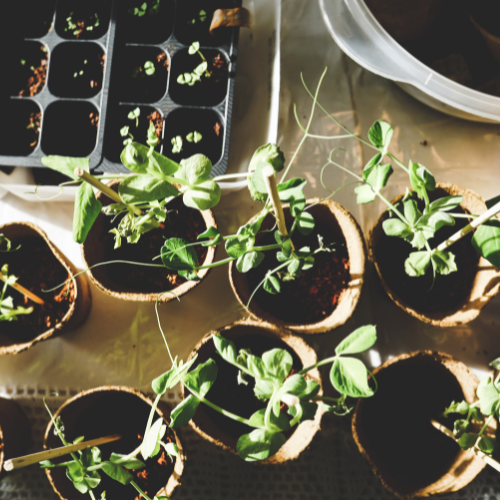
Interest in home gardening continues to rise amid economic concerns. Although the annual Axiom Gardening Outlook Study found overall decreases in time spent gardening and plans to expand gardens, younger generations have been picking up gardening tools in recent years and plan to continue.
Generation Z (69.2%) and millennials (51%) are expected to spend more time gardening in 2025.
There’s no denying that gardening has numerous benefits. It’s a good way for households to get healthier and cheaper food, but it also helps people reach their movement goals. The CDC counts weeding, mulching, and mowing as moderate exercises, while raking and digging are vigorous.
In addition to physical activity and healthier eating habits, consider these health benefits of gardening:
- Increased vitamin D levels that are essential for body functions
- Reduced cortisol levels that trigger stress
- Improved mood
- Relaxation and reduced anxiety
- Boosted self-esteem
If you haven’t started gardening yet, it’s not too late to start and reap the benefits of time outside. Talk to your doctor to learn more about ways to manage your well-being.
Contact us to see how you could minimize risk:
Recent News
Shadow AI and the Risks of Employees Using Unapproved AI Tools
When employees use unapproved AI tools, sensitive data can end up outside your control, creating cybersecurity, privacy and insurance concerns. Learn how to spot shadow AI risks and the steps that help reduce them. Plus, see how to protect your business from the fire and explosion hazards of lithium-ion battery storage systems.
OSHA General Industry Roundtable Recap | Seubert
A former OSHA official, an OSHA defense attorney and a safety consultant walked into a room full of employers. Here’s a look at what they covered at our General Industries OSHA Compliance Roundtable, plus how to join our construction session on November 10.
Employee Spotlight: McKenna Dobrowsky
Please join us in welcoming McKenna Dobrowksy to the Seubert Team! McKenna joins Seubert’s Administrative Department as a Client Service Associate in our Pittsburgh office.
DOL Releases Regulatory Agenda
The DOL regulatory agenda for 2026 lists eight Wage and Hour Division rules employers should keep an eye on, including tip credit changes, independent contractor status, and work hours for young workers. Plus, the DHS has proposed a new $103,265 fee on H-1B cap-subject petitions. Here’s what these updates mean for your business and how to plan ahead.
Employee Spotlight: Courtney Withers
Please join us in welcoming Courtney Withers to the Seubert Team!
Employee Spotlight: Joy Burkholder
Seubert welcomes Joy Burkholder to the agency’s Commercial Lines Division.