

Download the full version of this Live Well, Work Well Newsletter

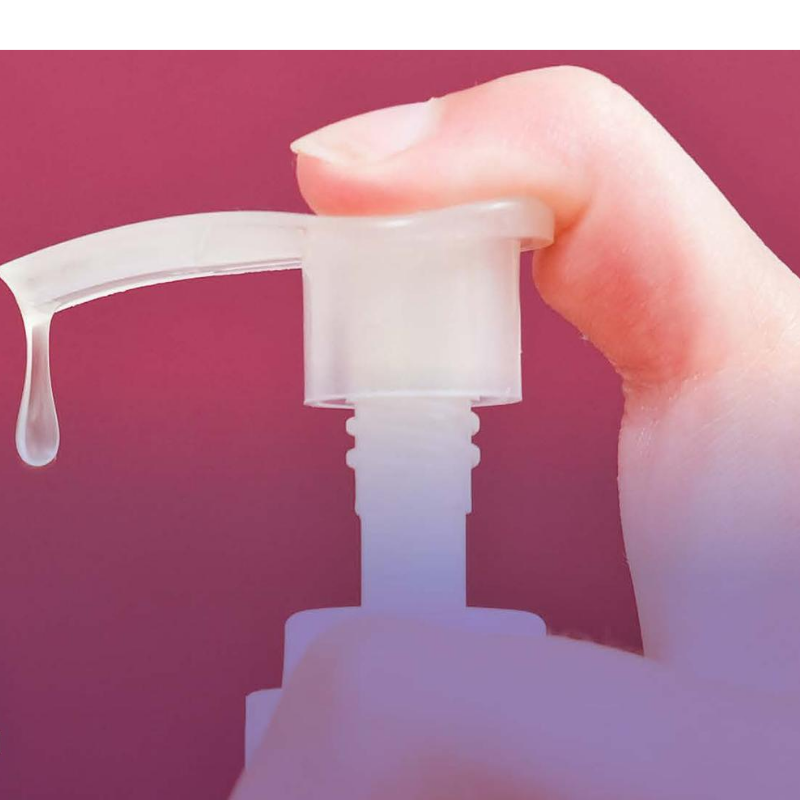
Choosing an Effective Hand Sanitizer
Hand hygiene is an important response to the COVID-19 pandemic. The Centers for Disease Control and Prevention (CDC) recommends washing hands with soap and water. If those aren’t available, using a hand sanitizer can help you avoid getting sick and spreading germs.
Americans are having a hard time tracking hand sanitizer down; however, the CDC doesn’t recommend that people make their own product, as there’s a chance it could be ineffective or cause skin burns.
You may be tempted to buy whatever bottle you can get your hands on, but not all sanitizers are created equal. As an additional 1,500 companies are now making hand sanitizer, it’s important to know what to look for and be cautious about. The Food and Drug Administration (FDA) has recalled several hand sanitizers due to the potential presence of methanol, which is toxic when absorbed through skin or ingested. And as alcohol distillers have responded to the shortage by manufacturing sanitizer, be careful. There have been many reports of people drinking the product since it smells like drinking alcohol and is contained in beverage bottles.
When you’re browsing the store shelves or searching online, pay attention to product labels for the following signs of an effective hand sanitizer:
- Most importantly, use a hand sanitizer that contains at least 60% alcohol. If possible, clean your hands first, as alcohol-based sanitizers are most effective on hands that are not visibly dirty or greasy. Even rinsing hands with water first will help the sanitizer do its job.
- Check the ingredient list for denatured alcohol, which tastes terrible compared to drinking alcohol. The taste is used to help deter unintentional or intentional ingestion. The most common calls to poison control are related to unintentional exposures in children 5 years old and younger.
- Likewise, choose fragrance-free or unscented because fragrances may be used to cover the chemical smell.
Try to steer clear of hand sanitizers that claim to help prevent COVID-19, as that hasn’t been proven yet.
When you’ve found a hand sanitizer that meets those standards, apply a dime-sized amount to dry, clean hands and rub your hands together until completely dry again.
Low-stress Diet Tips
Did you know that the foods you eat can affect your overall stress? When left unchecked, chronic stress can increase your risk for conditions such as Type 2 diabetes, heart disease, depression and anxiety. To make matters worse, when you’re stressed, you may eat poorly, which can lead to a damaging cycle.
Consume a magnesium-rich diet or take a supplement, if needed. Additionally, here are some healthy, low-stress food options to consider:
- Potassium-rich foods
- Foods rich in vitamin C
- Leafy-green vegetables
- Whole-grain carbohydrates
- Fatty fish including salmon and tuna
- Nuts such as pistachios, walnuts and almonds
If you’re thirsty, reach for water or milk instead of caffeinated drinks. A warm cup of chamomile tea can also get those feel-good hormones flowing.
How to Make Better Decisions When Feeling Anxious
According to the American Psychological Association, 59% of Americans reported that the coronavirus is seriously impacting their day-to-day lives. When you have a lot of anxiety, it becomes tough to make reasonable choices. That’s concerning, as many families are faced with high-stake decisions during the pandemic—decisions involving health, livelihoods and employment.
If you’re feeling anxious, consider these techniques to make sound decisions:
- Engage in a calming activity that makes you feel good.
- Charge up by eating healthy, sleeping enough and exercising often.
- Determine what you can (and can’t) control.
At the end of the day, everyone is making the best decisions possible with the information at hand during the pandemic. Go easy on yourself.