

Publish Date: August 19, 2024
Author: Seubert
Tags: Blog - SeubertU
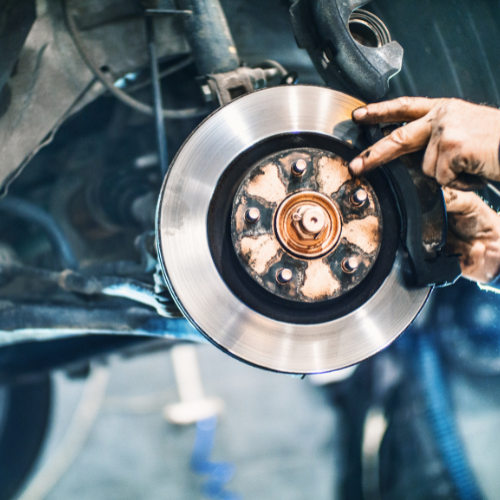
The Commercial Vehicle Safety Alliance (CVSA) scheduled this year’s Brake Safety Week for Aug. 25-31. This annual event emphasizes the importance of ensuring sufficient brake systems in commercial motor vehicles (CMVs) and highlights the role that brake maintenance and efficiency play in reducing brake-related CMV accidents on the road. This year’s event focuses on brake lining and pad violations. During this weeklong initiative, certified vehicle inspectors will review CMVs using the CVSA’s North American out-of-service criteria and remove any CMVs with brake-related violations from the roadways.
The Importance of Brake Safety Week
Conducting vehicle inspections, identifying brake-related violations and placing unsafe CMVs out of service is important for several reasons. In particular, motor carriers should consider the following statistics from the CVSA and Federal Motor Carrier Safety Administration (FMCSA):
- One-quarter (25%) of all CMV out-of-service conditions resulted from brake system violations during last year’s International Roadcheck inspection and enforcement initiative.
- Nearly one-third (30%) of the FMCSA’s top vehicle violations from 2023 involved brakes.
- Brake-related concerns currently account for the highest proportion of all out-of-service vehicle violations recorded during roadside inspections.
- More than one-tenth (12.6%) of the 18,875 CMVs inspected in the United States were placed out of service for brake-related issues during last year’s Brake Safety Week.
Event Information and Resources
The CVSA consistently schedules Brake Safety Week in August in conjunction with Brake Safety Awareness Month. The event is announced in advance to allow time for motor carriers, commercial drivers and mechanics to assess and service their vehicles, thus ensuring their CMVs (especially their brake systems) are in safe working condition while out on the roadways. To prepare for Brake Safety Week, motor carriers can take the following steps:
- Review the CVSA’s vehicle inspection standards.
- Take note of the various vehicle components that inspectors typically check.
- Ensure drivers utilize a detailed brake inspection checklist to assess their CMVs before and after each journey.
- Consider the CVSA’s brake lining and pad best practices.
Next Steps
At the conclusion of Brake Safety Week, inspectors will combine all the data they collected and submit the results to the CVSA. The CVSA will then report its findings later in the year. For further commercial fleet resources and risk management guidance, contact us today.
Contact us to see how you could minimize risk:
Recent News
Seubert Named #2 Best Place to Work in 2026
For the second year in a row, Seubert ranks #2 on the Pittsburgh Business Times’ Best Places to Work list in the XL Employer category.
Employee Spotlight: Valerie Vernik
Please join us in welcoming Valerie Vernik to our Employee Benefits Department as a Benefits Account Manager in our Pittsburgh Office!
How Commercial Insurance Applications Affect Your Coverage
When businesses purchase commercial insurance, they often focus on limits, deductibles and policy terms. Yet the insurance application is equally important. It is a legal document insurers use to evaluate risk, determine eligibility and establish coverage terms and pricing.
Seubert Celebrates 10 Years on Pittsburgh’s North Shore
Seubert & Associates celebrates 10 years at its Pittsburgh North Shore headquarters with a look at its growth and newly renovated office.
Employee Spotlight: Mariah Gigler
Please join us in welcoming Mariah Gigler to the Seubert Team!
DOL Proposes to Expand Electronic Delivery Options for Group Health Plans
On July 23, 2026, the U.S. DOL issued a proposed rule that would establish a new, additional safe harbor for group health plan administrators to use electronic media to furnish plan disclosures required under the ERISA.