

Publish Date: February 11, 2026
Author: Seubert
Tags: Blog - SeubertU
Premises liability creates substantial financial, legal, and reputational risks for any organization that owns or operates commercial property. Third-party injuries resulting from unsafe conditions—such as slick floors, poor lighting, or inadequate security—can lead to costly claims, litigation, and business disruptions. Even minor incidents can accumulate significant expenses.
What Establishes a Premises Liability Claim?
These components generally must be present to demonstrate premises liability:
- A hazardous condition existed on the property.
- The owner or occupier knew or reasonably should have known about it.
- The hazard was not corrected or properly communicated.
- A third party suffered damage as a result.
Common Hazards That Trigger Claims
Slips, trips, and falls make up most premises liability incidents. Contributing factors include:
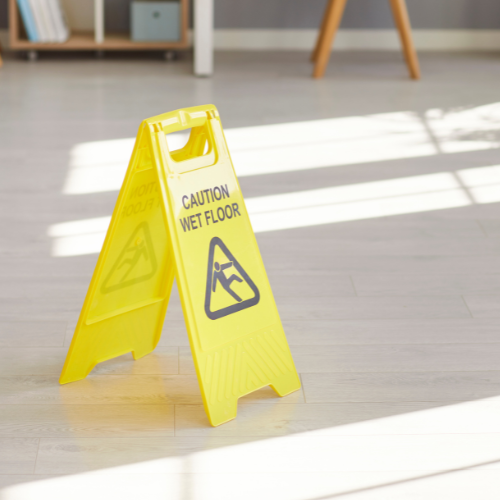
- Wet or slick floors
- Cluttered or obstructed walkways
- Uneven steps or damaged flooring
- Poor lighting or missing signage
- Weather-related risks (e.g., icy entryways)
- Worn fixtures or furniture
- Inadequate security measures
Strategies to Reduce Premises Liability Risks
A formal slip, trip, and fall prevention program can help identify hazards early and ensure corrective action, thereby limiting the likelihood of premises liability claims. This includes maintaining flooring, implementing spill-prevention practices with rapid cleanup procedures, ensuring adequate lighting, keeping walkways clear, posting warning signs, and promptly removing snow and ice.
Maintain Property Consistently
Routine cleaning and inspection of walking surfaces, fixtures, and furniture can help ensure conditions remain safe. Damaged property should be repaired quickly by qualified professionals. Maintaining relationships with multiple contractors can support timely repairs.
Strengthen Security Measures
Security cameras, alarms, and motion-activated lighting can deter criminal activity and improve monitoring. Sensitive areas should have layered access controls, while recorded footage can help verify events amid premises liability claims.
Promote a Culture of Safety
Employees should receive regular training on recognizing common property hazards and following related safety procedures. Encouraging staff to report unsafe conditions can help ensure that they are promptly mitigated.
Document Preventive Measures
Detailed records of property inspections, maintenance activities, security practices, and incident response plans demonstrate a systematic approach to safety and can strengthen a defense against premises liability claims.
Contact us to see how you could minimize risk:
- Business Insurance|
Recent News
How Commercial Insurance Applications Affect Your Coverage
When businesses purchase commercial insurance, they often focus on limits, deductibles and policy terms. Yet the insurance application is equally important. It is a legal document insurers use to evaluate risk, determine eligibility and establish coverage terms and pricing.
Seubert Celebrates 10 Years on Pittsburgh’s North Shore
Seubert & Associates celebrates 10 years at its Pittsburgh North Shore headquarters with a look at its growth and newly renovated office.
Employee Spotlight: Mariah Gigler
Please join us in welcoming Mariah Gigler to the Seubert Team!
DOL Proposes to Expand Electronic Delivery Options for Group Health Plans
On July 23, 2026, the U.S. DOL issued a proposed rule that would establish a new, additional safe harbor for group health plan administrators to use electronic media to furnish plan disclosures required under the ERISA.
Employee Spotlight: Delany Graff
Please join us in welcoming Delany Graff to Seubert’s Admin Department as an Accounting Clerk!
Compliance Update: Federal Agencies Issue FAQs Addressing Key Issues in Health Plan Tobacco Surcharge Lawsuits
Federal agencies have issued new FAQ guidance addressing two issues at the center of tobacco surcharge class-action lawsuits: when the full wellness program reward must be provided, and what employee notice is required. Here’s what employers need to know.