


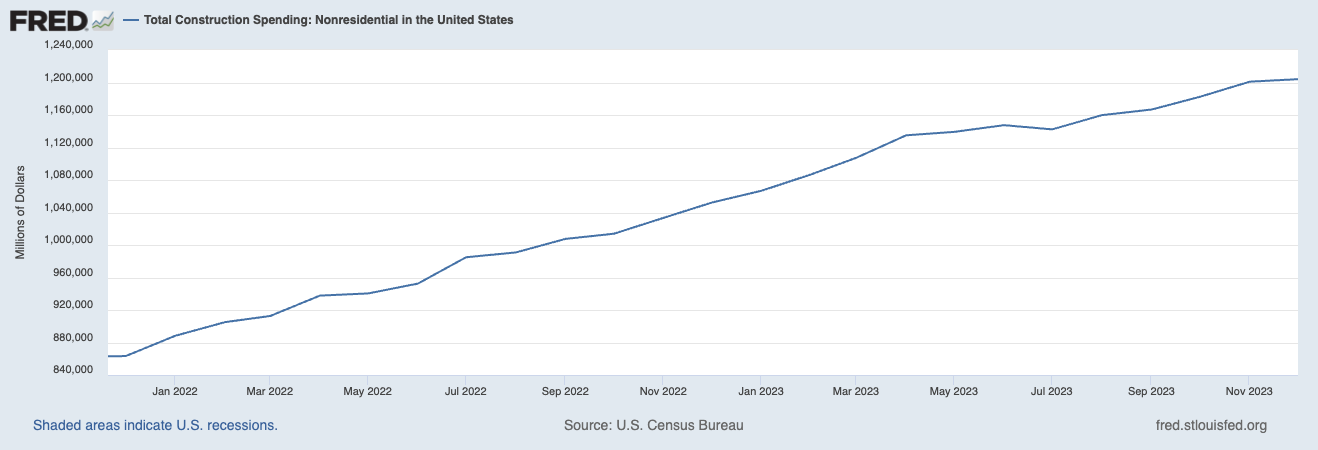
A positive surety relationship is built on trust, transparency, and shared values. As an unsecured creditor, a surety expects and underwrites to a 0% loss ratio; however, sureties can only succeed when you, as the contractor, succeed. First and foremost, sureties and their agents do not charge any fees or premiums unless they execute and issue a bond; therefore, they cannot earn revenue unless their contractor clients are successful in securing bonded projects. Second, since bonds guarantee both completion of a project and payment of 1st and 2nd tier vendors, sureties also need their contractors to succeed operationally, execute the work, and successfully complete their bonded contracts. As a result, a surety’s interests are almost always aligned with their contractor clients, and the role of the Surety is to figure out ways to provide support.
What can contractors do to enhance it’s surety relationship during times of increasing backlogs? Communication is key! While it is always positive to keep your surety and bonding agents up to speed, the importance of communication during periods of increased backlogs can provide added value to a contractor’s business plan. Sureties understand that growth and expansion can add risk. As a result, they will want to understand how a contractor plans to mitigate its project, financial, operational, and human capital risks, as well as how it plans to successfully execute the work.
Some excellent ways contractors can keep its surety informed, especially during times of rapidly growing backlogs:
- Annual or Bi-Annual Meetings
- Annual Business Plan Review
- Monthly or Quarterly WIP’s
- Run-off / Burn-Off Schedules – Both Costs-to-Complete & Labor
- Write-ups or Narratives on Larger Project Opportunities
- Video or Conference Calls Every 2-3 months
- Underwriter Job Site Visits
- Timely FYE CPA-Prepared Financial Statements
- Monthly or Quarterly Internally Prepared Financial Statements
- Social Outings / Relationship Building
- Be Proactive in Addressing and Communicating Potential Risks or Issues
Effective communication with your surety is essential for maintaining a strong and successful partnership. On the contrary, two things that can negatively affect a contractor’s surety relationship are 1) surprises and 2) keeping an underwriter in the dark (no information or not providing information in a timely manner). However, a good underwriter can handle good, bad, and even ugly information. Remember, the surety needs to write bonds and should be looking for ways to support their clients. As a result, if your surety feels like they are being treated as a respected and educated partner, they will do what they can to support your bonding needs and help your business grow.

Will Chapman is Senior Vice President, Head of Surety in Seubert’s Surety Bonding Division. He joined the agency in April of 2022 and has almost 20 years of industry experience. In his current role, Will leads, directs, and promotes the development and maintenance of production levels to provide the agency with the capacity of reaching profit and growth objectives that meet or exceed agency goals as established in the strategic operating plan. He also directs and coordinates the employees, productivity, and activities of the department.
Contact Will to see how you could minimize risk.
412.223.1475 | [email protected] | LinkedIn
- |
- |