

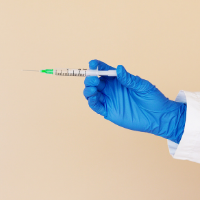
COVID-19 VACCINATION: WHAT TO DO BEFORE, DURING AND AFTER
Because COVID-19 is a new disease with new vaccines, you may have questions about what happens before, during and after your appointment to get vaccinated. The tips in this article will explain what to expect when you get vaccinated, what information your provider will give you and what resources you can use to monitor your health after you are vaccinated.
Before Vaccination
- See if COVID-19 vaccination is recommended for you right now by contacting your local health department.
- Learn more about the different types of COVID-19 vaccines and how they work.
- Learn more about the benefits of getting a COVID-19 vaccination.
During Vaccination
- When you get the vaccine, you and your health care worker will both need to wear masks that cover your nose and mouth. Stay 6 feet away from others while inside and in lines. Learn more about protecting yourself during visits to the doctor or a pharmacy.
- You should receive a vaccination card or printout that tells you which COVID-19 vaccine you received, the date you received it and the location where you received it.
- You should receive a paper or electronic version of a fact sheet that tells you more about the specific COVID-19 vaccine you are being offered. Each authorized COVID-19 vaccine has its own fact sheet that contains information to help you understand the risks and benefits of receiving that specific vaccine.
- After receiving the COVID-19 vaccine, you should be monitored on-site. Learn more about COVID-19 vaccines and rare severe allergic reactions.
After Vaccination
- With most COVID-19 vaccines, you will need two shots in order for them to work most effectively. Generally, you should get the second shot even if you have side effects after the first one, unless a vaccination provider or your doctor tells you not to get a second shot.
- Ask your health care provider about getting started with v-safe, a free smartphone-based tool that uses text messaging and web surveys to provide personalized health check-ins after you receive a COVID-19 vaccination. V-safe also reminds you to get your second dose if you need one. Learn more at www.cdc.gov/vsafe.
- It takes time for your body to build protection after any vaccination. COVID-19 vaccines that require two shots may not protect you until a week or two after your second shot.
Summary
It’s important for everyone to continue using all the tools available to help stop this pandemic as we learn more about how COVID-19 vaccines work in real-world conditions. Cover your mouth and nose with a mask when around others, stay at least 6 feet away from others, avoid crowds and wash your hands often.