

Publish Date: March 20, 2026
Author: Seubert
Tags: Blog - SeubertU
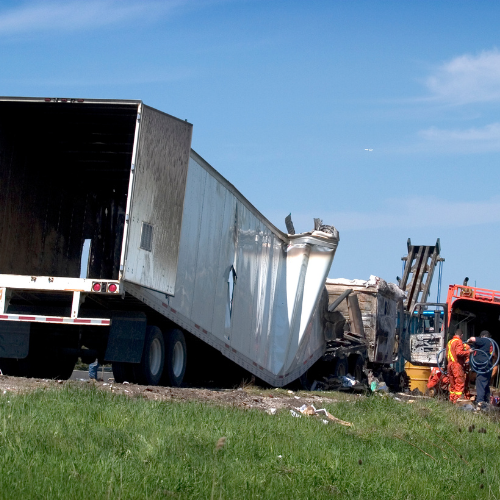
A cargo spill is the unintentional release of goods, liquids, or raw materials from a truck while it is traveling. Common examples include heavy equipment, bulk materials, packaged goods, livestock, and hazardous substances. According to the U.S. Department of Transportation (DOT), shifting, falling, or spilled cargo causes more than 3,000 roadway accidents each year, creating traffic disruptions and serious safety risks for drivers and other motorists. Beyond these immediate hazards, cargo spills can disrupt operations, trigger costly cleanup efforts, and expose trucking companies to legal, regulatory, and reputational consequences—making prevention a critical priority.
Common Causes of Cargo Spills
Most cargo spills stem from one or more of the following issues:
- Improper loading—Cargo must be loaded according to trailer dimensions, axle placement, and weight limits. Uneven distribution or overloaded trailers increase the risk of shifting cargo, reduced vehicle stability, and mechanical strain. These conditions increase the likelihood of rollovers, braking issues, and tire blowouts, which can lead to spills.
- Inadequate securement—Properly loaded freight must also be firmly secured. Securement requirements vary by cargo type but often involve straps, chains, binders, or tie-downs. Without adequate restraints, cargo may slide or shift during turns or sudden maneuvers, increasing the risk of tipping and widespread roadway debris.
- Vehicle- or driver-related issues—such as mechanical failures, poor maintenance, and unsafe driving behaviors — can also contribute to cargo spills. Speeding, abrupt lane changes, distracted driving, and failure to follow traffic laws increase the likelihood of high-impact incidents, such as jackknifes or fishtailing, that commonly result in spilled cargo.
Risk Mitigation Strategies
Trucking companies can reduce the likelihood and severity of cargo spills by implementing the following practices:
- Ensure proper loading and securement. Evaluate each vehicle, load, and route to determine appropriate loading and restraint methods. Maintain even weight distribution, use approved securement devices, and never exceed cargo weight limits.
- Conduct routine inspections and maintenance. Keep vehicles on documented maintenance schedules and require drivers to perform pre- and post-trip inspections. Damaged or missing securement equipment should be addressed immediately.
- Promote safe driving policies. Establish policies addressing defensive driving techniques, speed management, distracted driving prevention, and emergency response procedures.
- Provide ongoing employee training. Educate drivers on cargo spill risks, prevention strategies, and regulatory responsibilities to reinforce a culture of safety.
- Maintain regulatory compliance. Follow applicable DOT and Federal Motor Carrier Safety Administration regulations related to cargo loading, securement, and inspections, and document compliance efforts.
Cargo spills present serious safety, operational, and financial risks for trucking companies. By understanding common causes and implementing effective prevention strategies, organizations can reduce the likelihood of these incidents and limit potential losses.
Contact us to see how you could minimize risk:
- Transportation|
Recent News
Employee Spotlight: Gianna Mancino
Please join us in welcoming Gianna Mancino to the Seubert Team!
Zero-day Vulnerabilities Explained
A zero-day vulnerability may go undetected or otherwise unresolved for an extended period, quietly existing within an organization’s broader IT infrastructure without affecting typical operations.
Employee Spotlight: Dylan Ward
Please help us welcome Dylan Ward to the Seubert Team as a Surety Operations Specialist in our Surety Bond Division!
Managing Project Delays and Stoppages
Proactive planning can help employers limit financial losses and keep a project protected from start to finish.
Seubert Named #2 Best Place to Work in 2026
For the second year in a row, Seubert ranks #2 on the Pittsburgh Business Times’ Best Places to Work list in the XL Employer category.
Employee Spotlight: Valerie Vernik
Please join us in welcoming Valerie Vernik to our Employee Benefits Department as a Benefits Account Manager in our Pittsburgh Office!