

Publish Date: January 23, 2025
Author: Seubert
Tags: Blog - SeubertU
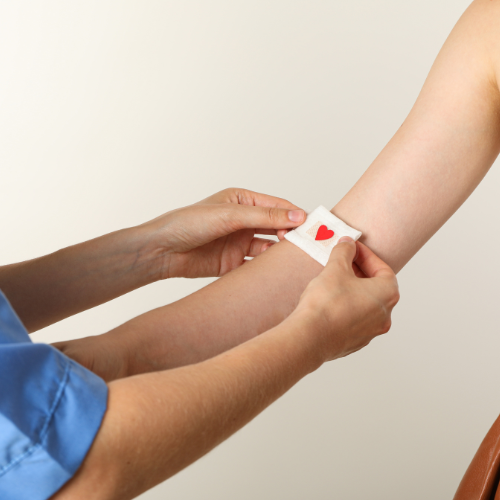
Winter is one of the most difficult times of the year to collect enough blood products and donations to meet patient needs. That’s why National Blood Donor Month is celebrated every January.
Someone in the United States needs blood or platelets every two seconds,
according to the American Red Cross.
It’s vital to have plenty of blood banked to meet the demand. Blood is needed for surgeries, traumatic injuries, cancer treatment and chronic illnesses. On a daily basis, roughly 29,000 units of red blood cells, 5,000 units of platelets and 6,500 units of plasma are required. Blood and platelets cannot be made synthetically, so voluntary donations are necessary.
It’s vital to have plenty of blood banked to meet the demand. Blood is needed for surgeries, traumatic injuries, cancer treatment and chronic illnesses. On a daily basis, roughly 29,000 units of red blood cells, 5,000 units of platelets and 6,500 units of plasma are required. Blood and platelets cannot be made synthetically, so voluntary donations are necessary.
Consider the following health benefits of donating blood regularly:
- Health problem detection—Donated blood is tested to determine if there are any irregularities. You must also undergo a quick health screening before giving blood.
- Heart disease risk reduction—Donating can help eliminate any excess buildup of iron in the blood, which can lower blood pressure and the risk of a heart attack.
- Caloric burn—The blood donation process typically burns up to 650 calories.
Before you roll up your sleeve and commit to being a regular blood donor, check if you meet the American Red Cross’ requirements to donate blood safely.
Contact us to see how you could minimize risk:
Recent News
Seubert Webinar Recap: Pharmacy Benefits Beyond the Rebate
Missed our pharmacy benefits webinar? Get the key takeaways on rebates, biosimilars, GLP-1 coverage, specialty drugs and PBM transparency, plus the recording.
Employee Spotlight: Gianna Mancino
Please join us in welcoming Gianna Mancino to the Seubert Team!
Zero-day Vulnerabilities Explained
A zero-day vulnerability may go undetected or otherwise unresolved for an extended period, quietly existing within an organization’s broader IT infrastructure without affecting typical operations.
Employee Spotlight: Dylan Ward
Please help us welcome Dylan Ward to the Seubert Team as a Surety Operations Specialist in our Surety Bond Division!
Managing Project Delays and Stoppages
Proactive planning can help employers limit financial losses and keep a project protected from start to finish.
Seubert Named #2 Best Place to Work in 2026
For the second year in a row, Seubert ranks #2 on the Pittsburgh Business Times’ Best Places to Work list in the XL Employer category.