

Publish Date: August 26, 2024
Author: Seubert
Tags: Blog - SeubertU
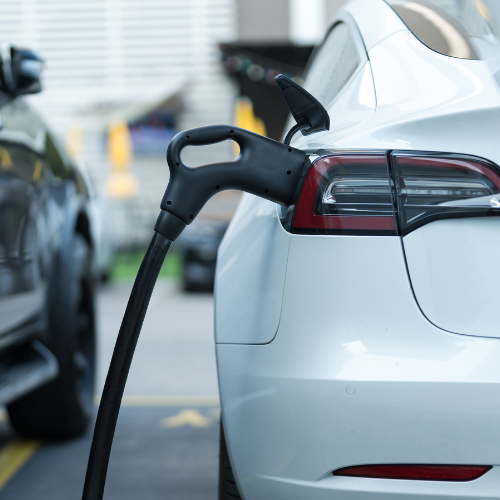
As consumers and the automotive industry move away from standard internal combustion engines, the popularity of electric vehicles (EVs) is increasing. EVs offer several benefits, such as contributing to reduced emissions and helping auto manufacturers comply with government environmental mandates; however, in specific locations—particularly parking structures—they can pose risks, including heightened fire hazards, as well as design and operational challenges.
Risks of EVs in Parking Structures
EVs present risks to parking structures that can cause serious injuries and significant property damage. For example, EVs have chemical, electrical and thermal properties that can cause fires. Specifically, the lithium-ion batteries commonly used in EVs can be susceptible to thermal runaway, a process where they create more heat than they can disperse. This results in a rapid release of heat, potentially leading to explosions and fires. Furthermore, the fires from EVs produce toxic fumes, reach extreme temperatures and can be difficult to extinguish with traditional fire-suppression methods. The intensity of the flames can threaten the structural integrity of parking structures. Charging stations in parking structures can also increase fire risks due to a faulty charger or the charging of a damaged battery. The layout of parking structures (i.e., several combustible vehicles placed closely together in an area with low ceilings) may also make it difficult to suppress fires that start in them.
Furthermore, parking structures may face collapse risks as they accommodate increasing numbers of EVs. This is because the components of EVs result in them weighing more than traditional automobiles, with the main source of their added weight coming from their batteries. This weight could stress existing structures, especially those that are older or improperly maintained.
Strategies to Manage EV Risks in Parking Structures
Specific protective measures can mitigate EVs’ risks to parking structures. Strategies to address fire hazards include installing a sprinkler system or enhancing an existing system’s water output capabilities, ensuring charging stations are installed per applicable regulations, and utilizing thermal imaging and off-gassing detectors. It is also essential to conduct regular evaluations, inspections and maintenance on these systems and devices and to utilize other technologies (e.g., smoke or fire detectors designed for parking structures) to reduce fire risks. Working with fire department officials can help parking structure owners find and address fire hazards. Such collaboration should occur at least yearly to review best practices for extinguishing EV battery fires. An emergency plan should be established for swift incident response and to help protect property and individuals’ health and safety.
Additionally, parking structure owners must be aware of the structural risks EVs present. To ensure parking facilities can withstand these vehicles’ additional weight, it is essential to maintain the structures and immediately repair any issues. Furthermore, technological simulations and modeling can help identify weak points, and artificial intelligence can be leveraged to help with design; this technology can assist with determining how to safely distribute and withstand the load of the cars in the structure and offer tips on the safest locations for charging stations. These tools should be used along with input from certified professionals, who can provide guidance on these critical decisions and ensure the structure complies with regulations and standards to address the risks of heavier vehicles, including EVs.
Conclusion
EVs are changing the automotive industry, and they offer several environmental benefits. Yet, as they become more popular, parking structure owners need to be aware of the risks they pose. By being proactive and taking appropriate actions, EVs’ fire and structural hazards can be mitigated. Contact us today for more information.
Contact us to see how you could minimize risk:
Recent News
Basic Loss Control Techniques
The world will never be free of cyber risks, but there are many loss control techniques you can implement to help protect your business from exposures.
2026 Struttin’ Our Stuffin’ Turkey Trot
2026 Struttin’ Our Stuffin’ Turkey TrotType In-PersonDate November 26, 2026Location North Park, Allison Park2026 Struttin’ Our Stuffin’ Turkey TrotRegistration is open for the tenth annual Seubert Struttin’ Our Stuffin’ Turkey Trot. Join us on Thanksgiving morning, Thursday, November 26, 2026, at the North Park Rose Barn and Boathouse in Allison Park. Whether you are chasing a personal best or just
Hiring the Right Drivers: Building a Safer Fleet From the Start
Careful recruiting and screening help build a safer, more reliable workforce.
Weather Preparedness Around the Year: Real-World Strategies for Construction and Transportation Businesses
Learn seasonal weather preparedness strategies that help construction and transportation businesses reduce claims, speed recovery, and stabilize premiums.
Transportation DOT Roundtable Event
Join Seubert for an in-depth roundtable discussion designed to help transportation companies protect their operations, their drivers, and their bottom line.
Construction OSHA Roundtable Event
Join Seubert and our panel of safety experts for a candid, practical conversation on the issues that matter most to your business and your workforce.