

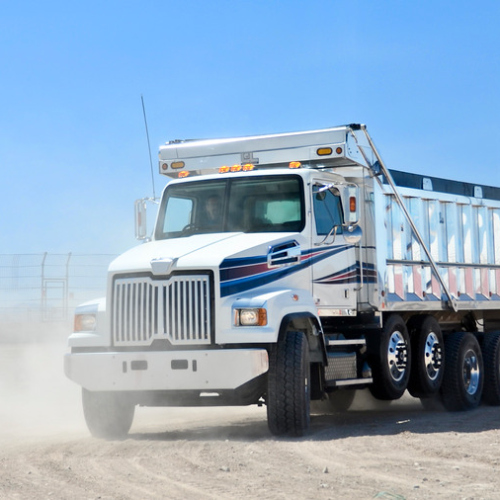
According to the Federal Motor Carrier Safety Administration (FMCSA), an average of 700 work zone fatalities occur each year. Work zones create increased hazards for drivers due to construction workers’ proximity to moving traffic, dump trucks entering and exiting the area, flaggers redirecting traffic and lanes shifting unexpectedly.
As such, to avoid costly and potentially deadly accidents, it’s important that drivers maintain work zone safety on the roadways.
Driving Safely Through Work Zones
There are a few measures CMV drivers should follow when navigating through work zones. These include:
Paying attention—Drivers should keep their eyes on the road at all times. In particular, it’s against the law to make hand-held phone calls while driving, according to FMCSA regulations. Drivers should also take note of, and abide by, any signage in work zones.
Slowing down—Drivers should automatically slow down when entering and driving through a work zone. This is especially important if construction workers are physically present. Slowing down within work zones can also allow drivers more reaction time in the event of an unexpected hazard.
Moving over to open lanes—Upon being notified of approaching work zones, drivers should move into open lanes early to safely distance themselves. Drivers should always check their blind spots before changing lanes to prevent potential accidents.
Keeping a safe distance—Drivers should maintain adequate distance between themselves and other vehicles to help minimize rear-end accidents while entering and exiting work zones.
Promoting Defensive Driving
To help promote defensive driving habits, employers should instruct their CMV drivers to always scan about 15 seconds ahead of them for possible road hazards. This will provide drivers with ample time to react to issues if they arise on the road.Scanning this far ahead is particularly important in work zones—especially if traffic merges into one lane or comes to a sudden stop.
This practice also allows drivers of larger commercial vehicles more time to brake and—in turn—prevent accidents. As a matter of fact, it takes a large vehicle almost double the distance to come to a complete stop when compared to that of a passenger vehicle. With this in mind, drivers of large commercial vehicles need to practice defensive driving strategies.
Taking a Proactive Approach
In addition to teaching defensive driving habits, employers should encourage their CMV drivers to research their routes before their shifts. This can help drivers determine if they will encounter road construction and give them time to adjust their routes (if possible) to avoid driving through work zones. This practice also helps CMV drivers familiarize themselves with their routes and get comfortable with the roadways before travel.
However, employers should keep in mind that drivers cannot always change their routes. When CMV drivers are unable to change their routes to avoid driving through road construction, they must prepare themselves for sudden breaking or slowing down and prioritize the aforementioned work zone safety guidelines.