

The Hazards of Poor Housekeeping
Poor housekeeping in the workplace can be a serious issue. Not only does it lead to a cluttered workspace, but it can also create additional workplace hazards. With this in mind, it’s important to be aware of housekeeping-related hazards and practice proper safety techniques to prevent any injuries.
There are three main injuries that can stem from poor housekeeping on the job. These injuries include:
- Strains and sprains—These types of injuries can occur when an employee lifts something that is too heavy or an item from an awkward position.
- Lacerations—Such injuries can happen when an employee does not use proper protection when working with tools that can cut, slice or puncture the skin. These injuries can also occur if tools are left unattended without a guard or shield over the blade.
- Slips, trips and falls—Injuries like these are fairly common in the workplace. An employee can sustain these types of injuries from slipping on a spill, tripping on an object left in a walkway, or falling from an unstable or improperly placed object.
Many injuries stemming from poor housekeeping can be serious, but they are largely preventable by maintaining a clean and tidy workspace. Follow these tips to practice good housekeeping at work:
- Set aside time to clean. By allowing yourself dedicated time to make sure your workspace is tidy, you can make good housekeeping a valuable part of your daily routine. Encourage your co-workers to do the same to ensure everyone keeps housekeeping in mind throughout the day.
- Label and store all materials correctly. Doing so prevents unnecessary shuffling through supplies, which could cause something to fall and create a dangerous situation. Keep frequently used supplies in places that are convenient and easy to reach.
- Keep light sources unobstructed. Having sufficient light makes it easier to see objects in your path. In addition, be sure to keep emergency lights and tools easily accessible.
Summer Safety Tips for Outdoor Workers
Summer is on its way. If you work outdoors, there are a variety of seasonal risks you are likely to face during the summer months, including:
- Sunburns
- Dehydration
- Heat-related illnesses (e.g., heat cramps, heat exhaustion and heat stroke)
- Insect and plant hazards (e.g., mosquito bites and poison ivy exposure)
Despite these risks, there are steps you can take to mitigate the outdoor hazards on the job. Use the following tips to stay safe in your outdoor work environment this summer:
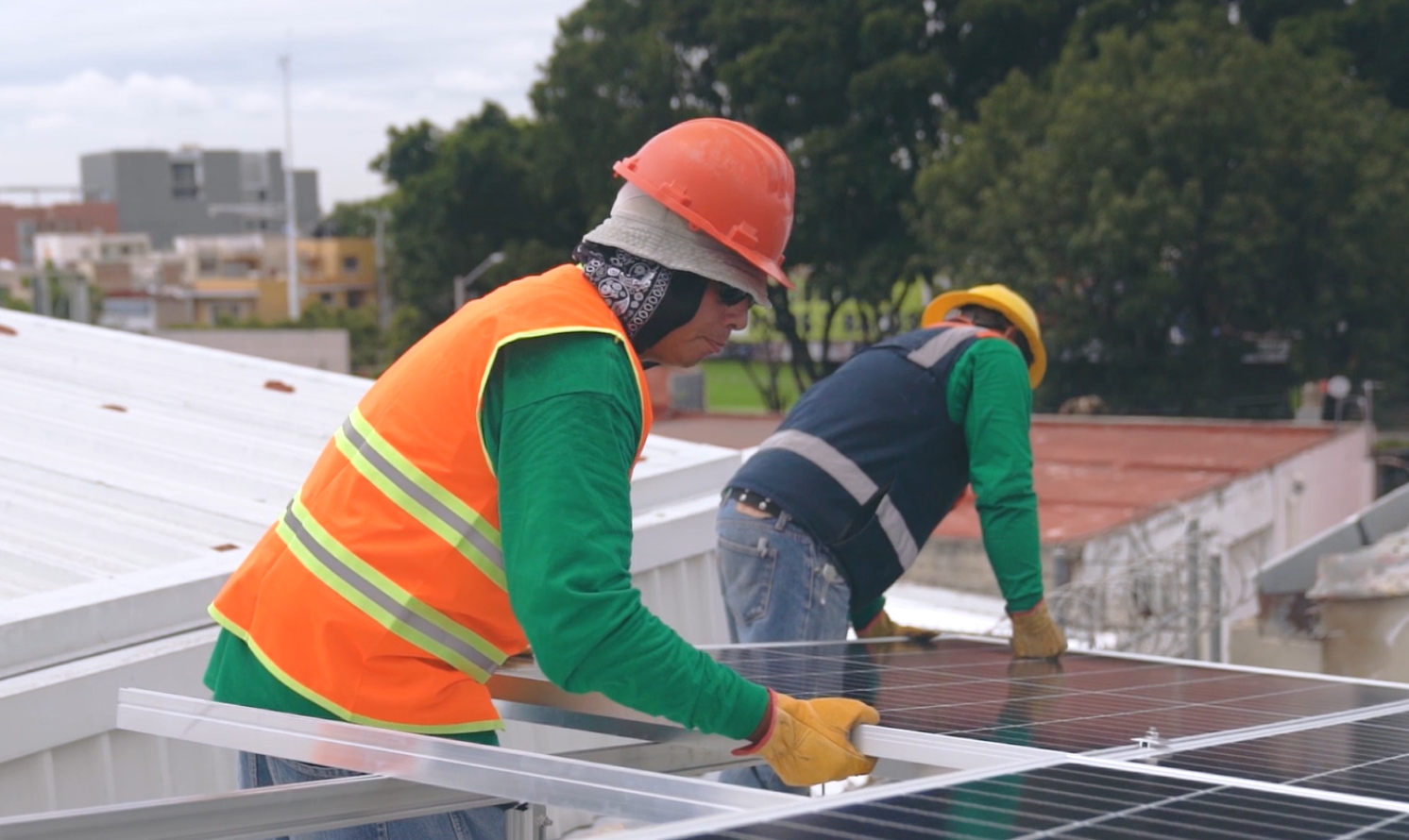
- Wear proper clothing and protective equipment. If you will be working in the sun, be sure to wear a loose-fitting, long-sleeved shirt and long pants to protect your skin from harmful ultraviolet (UV) rays. If you are working around insects or poisonous plants, wear long sleeves and pants tucked into boots. Be sure to use cloth or leather gloves to handle vegetation, and utilize DEET insect repellent to ward off mosquitos.
- Drink water, avoid excess sun exposure and take frequent breaks. The sun’s UV rays are strongest between 10 a.m. and 4 p.m., so try to avoid working directly under the sun during this time. Take short breaks in the shade when you can, and drink water frequently. Avoid drinking alcohol, coffee or soda, as these beverages can contribute to dehydration.
- Be aware of specific hazards in your workplace and avoid them whenever possible. For example, if you are working on a job site where standing water is present, do your best to avoid it. Standing water can be a breeding ground for mosquitos. If you cannot avoid hazards like this, be hyper-vigilant of possible dangerous situations and encourage your co-workers to do the same.
- Learn how to identify and respond to common illnesses and injuries that can result from outdoor working hazards. Consult a safety manual or your supervisor for what to do if you or one of your co-workers experience an injury or illness resulting from an outdoor hazard. By knowing how to take action in these situations, you can keep your workplace safe and could even save your own life or the life of a co-worker.